Adventures
Canada’s vast landscapes offer some of the world’s most thrilling adventure opportunities, from kayaking alongside orcas in British Columbia’s cold waters to tracking polar bears in Churchill’s tundra, from scaling sea cliffs in Newfoundland to navigating the permafrost challenges of the Arctic. These experiences promise unforgettable encounters with raw nature, but they also demand serious preparation, specialized knowledge, and respect for environments that can turn dangerous without warning.
Whether you’re planning your first backcountry camping trip in the Rockies or preparing for a technical expedition in a remote corner of the territories, understanding the unique challenges of Canadian adventure travel is essential. This comprehensive resource connects the critical elements you need to consider: from bureaucratic navigation and financial preparation to survival skills and safety protocols that could save your life in extreme conditions.
Planning and Logistics for High-Demand Canadian Destinations
The popularity of iconic Canadian adventure destinations has created a complex landscape of reservation systems, permits, and booking windows that can frustrate even experienced travelers. Parks Canada manages many of the country’s most sought-after locations, and understanding their pass system is your first critical step.
The challenge intensifies during peak season when shuttles to trailheads, campgrounds, and specialized tours sell out months in advance. For the Canadian Rockies, choosing between establishing your base in Jasper or Banff affects not just your daily logistics but also your access to specific trails and your overall budget. Jasper typically offers a quieter experience with somewhat easier accommodation availability, while Banff provides more infrastructure but faces higher demand pressure.
For remote expeditions like polar bear viewing in Churchill, the planning complexity multiplies. You’ll need to coordinate:
- Transport mode selection (flying to Churchill versus the VIA Rail adventure, each with distinct time and cost implications)
- Specialized viewing vehicle bookings with operators who understand bear behavior patterns
- Precise timing within narrow migration windows, typically spanning just a few weeks
- Trip insurance that covers the significant financial investment, often running several thousand dollars per person
The “sold out” problem isn’t insurmountable. Strategies include monitoring cancellation lists, considering shoulder seasons when crowds thin but conditions remain manageable, and building flexibility into your itinerary to pivot when your first choice becomes unavailable.
Essential Wilderness Survival Skills for the Canadian Backcountry
Canada’s wilderness areas are genuinely remote, where cell coverage disappears and help may be hours or even days away. Basic orienteering skills transition from optional to essential when you venture beyond maintained trails. Understanding how to read topographic maps, use a compass without relying on GPS, and recognize natural navigation markers can prevent a simple wrong turn from becoming a survival situation.
Weather-Related Risks and Hypothermia Prevention
One of the most underestimated dangers in Canadian wilderness is hypothermia during summer months. Mountain weather changes rapidly, and temperatures can plummet when rain arrives at elevation. Recognizing early signs—uncontrolled shivering, confusion, loss of coordination—in yourself or companions allows for intervention before the condition becomes life-threatening.
Building an emergency shelter using natural materials and basic supplies you carry becomes critical if you’re caught out overnight unexpectedly. A simple debris shelter or snow cave, depending on the season and environment, can mean the difference between maintaining core body temperature and developing hypothermia.
Managing Wildlife Encounters Safely
Preventing wildlife encounters from turning dangerous requires understanding animal behavior and maintaining proper protocols. In bear country (which covers vast portions of Canada), this means proper food storage, making noise on trails, carrying bear spray, and knowing how to respond differently to black bears versus grizzlies.
The constant companions on many Canadian wilderness adventures—black flies and mosquitoes—present their own challenge. While not life-threatening, they can make experiences miserable without proper prevention strategies including bug netting, permethrin-treated clothing, and timing your trip to avoid peak insect seasons when possible.
Marine and Coastal Adventure Safety Protocols
Canada’s three ocean coastlines and countless inland waterways offer extraordinary marine adventures, but they come with strict regulatory requirements and serious safety considerations. Whether you’re kayaking with orcas off Vancouver Island or viewing icebergs from boats in Newfoundland waters, understanding cold water immersion risks is non-negotiable.
Cold Water Survival Techniques
Canadian waters remain dangerously cold even in summer. Immersion in water below 15°C (60°F) triggers cold shock response and rapidly drains body heat. Mastering the “Huddle” position—drawing your knees to your chest and keeping your head out of water—helps preserve core temperature if you end up in the water unexpectedly.
Dressing for immersion rather than air temperature means wearing wetsuits or drysuits even on warm days. Understanding marine distress signals, carrying proper flotation devices, and securing gear against rough waves are fundamental requirements, not optional extras.
Kayaking in Challenging Environments
Kayaking among orcas in British Columbia’s waters presents unique considerations. Understanding orca behavior helps you maintain safe distances (federal regulations specify minimum approach distances to protect both you and the animals). The decision between hiring an experienced guide versus solo paddling depends honestly on your skill level—self-rescue techniques and managing current risks require practice and confidence that most recreational paddlers haven’t developed.
Choosing your departure point affects the difficulty of your journey significantly. Sheltered bays offer gentler conditions for skill building, while exposed coastal routes demand advanced abilities and careful weather monitoring.
Mountain and Alpine Environment Preparation
Canadian mountain adventures range from accessible day hikes to technical climbs requiring specialized equipment and training. Physical preparation becomes increasingly critical as elevation and difficulty increase.
Training and Acclimatization for Elevation
Training for significant elevation gain should begin weeks before your trip. Building cardiovascular endurance and leg strength through hill repeats, stair climbing with a weighted pack, and long-distance hiking prepares your body for the demands ahead. Understanding trail rating systems helps you select appropriate objectives—what’s marked “moderate” in the Canadian Rockies might be more challenging than “difficult” ratings in lower-elevation regions.
Hydrating effectively at altitude requires conscious effort. The combination of increased respiration rate, lower humidity, and physical exertion means you’re losing water faster than you might realize. A general guideline suggests drinking 3-4 liters daily on mountain excursions, adjusting based on exertion level and conditions.
Technical Trail Riding and Mountain Biking
British Columbia’s mountain biking infrastructure attracts riders globally, but the technical terrain demands proper preparation. Choosing appropriate bike suspension for the terrain type, mastering descending skills before tackling expert trails, and understanding BC’s specific trail signage system prevents accidents and frustration.
Preventing mechanical failures far from your base requires basic bike maintenance knowledge and carrying essential tools and spare parts. Navigating bike park lift access systems and understanding right-of-way rules on shared trails are part of responsible riding in these popular areas.
Extreme Climate and Arctic Expedition Readiness
Adventures in Canada’s northern territories and Arctic regions present challenges found in few other places on Earth. The rewards—pristine landscapes, unique wildlife, and profound solitude—come with preparation requirements that go far beyond temperate-climate adventures.
Layering for variable Arctic weather means understanding how to build a clothing system that handles extreme temperature swings. Conditions might start at -30°C in early morning and warm to -5°C by afternoon, requiring you to add or remove layers to prevent both hypothermia and dangerous overheating that leads to sweat-dampened insulation.
Permafrost challenges affect everything from tent site selection to understanding why certain areas are unsafe for travel. The active layer that thaws seasonally creates unpredictable ground conditions that can swallow equipment or make terrain unstable.
Adapting sleep patterns to 24-hour sunlight during summer months requires strategies like quality sleep masks and maintaining consistent bedtime routines despite the disorienting perpetual daylight. Communication in remote zones demands satellite technology—cell coverage simply doesn’t exist in vast areas of the North.
Respecting Inuit land usage protocols isn’t just courteous; it’s essential for safe, responsible travel. Indigenous communities have deep knowledge of these landscapes, and understanding traditional land use, asking permission when required, and following local guidance keeps you safer while honoring cultural protocols.
Financial Protection and Risk Management in Remote Environments
Adventure travel insurance differs fundamentally from standard travel coverage. Understanding exclusion clauses specific to high-risk activities prevents the shock of discovering your policy won’t cover rescue costs or medical evacuation when you need it most.
Many Canadians assume their provincial health coverage extends fully to adventure activities anywhere in the country, but significant gaps often exist. Out-of-province medical costs can surprise you, and coverage for air ambulance or specialized rescue operations frequently falls outside standard provincial plans. Clarifying exactly what’s covered before departure is essential.
Adventure operators typically require signing liability waivers. While you can’t waive your rights entirely under Canadian law, understanding what you’re signing and what protections remain helps you make informed decisions about acceptable risk levels.
Carrying emergency communication devices—satellite messengers or personal locator beacons—has become standard practice for remote travel. The cost seems negligible compared to the value when you need to summon help from areas without any other communication options. These devices can mean the difference between a manageable situation and a tragedy when injuries occur far from assistance.
Budgeting for minor injuries means carrying comprehensive first aid supplies and knowledge to treat common problems—blisters, sprains, minor cuts—that won’t end your trip if managed properly but could become serious if neglected in remote conditions.
Specialized Knowledge for Unique Canadian Environments
Certain Canadian adventures require environment-specific expertise that doesn’t transfer from general outdoor skills. Geological exploration at locations like the Bay of Fundy involves understanding erosion processes, comparing optimal viewing locations, and maintaining safe distances from unstable cliff edges. The tidal bore phenomenon and Reversing Falls present spectacular viewing but require precise timing and awareness of the powerful forces at play.
Rock climbing in Eastern Canada’s coastal areas introduces challenges like sea spray corrosion on gear, understanding local bolting ethics that may differ from inland climbing areas, and avoiding wildlife disruption during nesting seasons. The humid maritime climate means waiting for clear, dry rock conditions and mastering techniques for long-distance rappelling on routes that might be several pitches in length.
Navigating intense rainfall in Canada’s coastal rainforests demands mastering multi-layer waterproofing systems, dealing with perpetually muddy trails that can quickly wear down equipment, and understanding campfire safety in wet conditions where fire risk paradoxically remains due to dry fuel beneath wet surfaces. Limited visibility navigation becomes essential when fog rolls in suddenly, obscuring trails and landmarks.
Canadian adventure travel offers transformative experiences that connect you with some of the planet’s most spectacular and challenging environments. Success comes from respecting these landscapes, preparing thoroughly for their specific demands, and continuously building the knowledge and skills that transform potential dangers into managed risks. Each adventure teaches lessons that prepare you for the next, building competence and confidence that open doors to increasingly ambitious objectives across this vast, wild country.
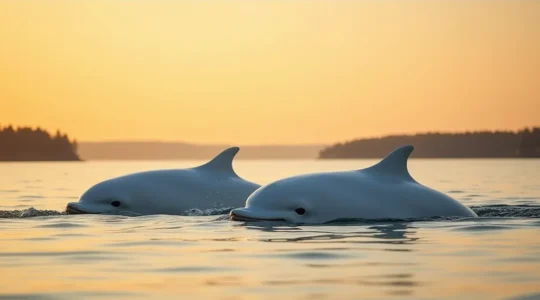
Tadoussac vs. Rimouski: Where Are Your Best Odds for Seeing Beluga Whales?
While Tadoussac offers the highest concentration of whales, it’s not automatically the “best” choice for every traveler. Tadoussac provides maximum whale-sighting probability due to its unique underwater geography and high density of tours. Rimouski offers a less crowded, more authentic…
Read more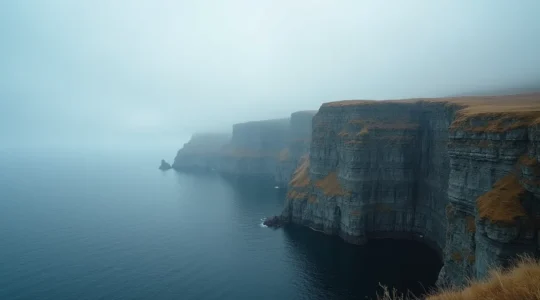
How Far is Safe? A Geologist’s Guide to the Edge of Gros Morne’s Cliffs
The safe distance from a cliff edge is not a fixed number, but a judgment call based on visible geological evidence of instability. Active erosion forces like freeze-thaw cycles and tidal scouring are constantly weakening Canada’s coastlines. Recognizing warning signs…
Read more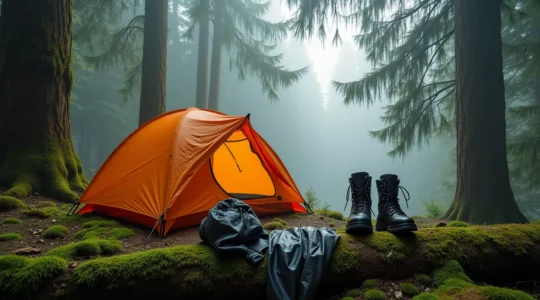
How to Pack for a Week in Coastal BC Rainforest Without Getting Your Tent Soaked?
Contrary to popular belief, your expensive ‘waterproof’ jacket will fail in BC’s coastal rainforest; survival depends on a moisture management system, not a single piece of gear. Breathable-waterproof fabrics (like Gore-Tex) stop working in 100% humidity, trapping sweat and making…
Read more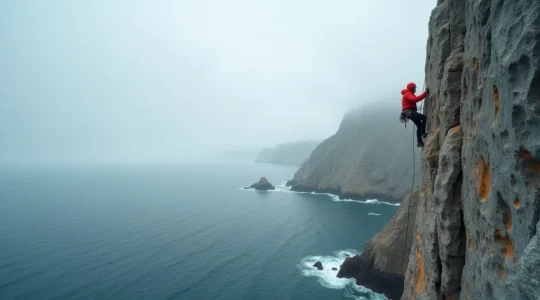
Do You Need a Permit to Climb the Granite Formations in the Gaspé Peninsula?
Yes, accessing most climbing sites in Quebec, including the Gaspé Peninsula, requires adherence to a specific regulatory ecosystem managed by the FQME, not a simple one-time permit. Access is contingent upon membership with the Fédération québécoise de la montagne et…
Read more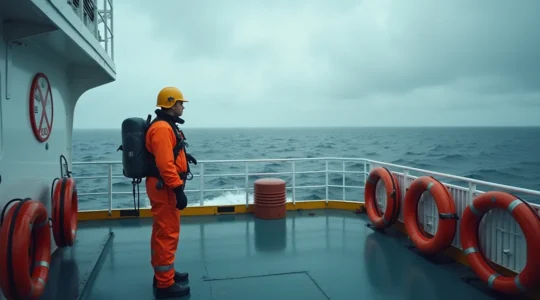
What is the Legal Requirement for Immersion Suits in Atlantic Boating?
Compliance with Transport Canada regulations is the floor, not the ceiling; it does not guarantee survival in cold water. Your body’s physiological response to cold water is brutally fast, with functional movement lost in as little as 10 minutes. Common…
Read more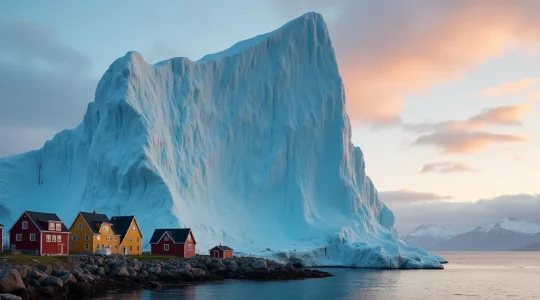
How Early in June Do Icebergs Start Disappearing from “Iceberg Alley”?
The iceberg season’s end is dictated more by tour logistics than the ice itself; many operators shut down soon after Canada Day (July 1st), regardless of remaining icebergs. The “peak season” of late May to early June refers to the…
Read more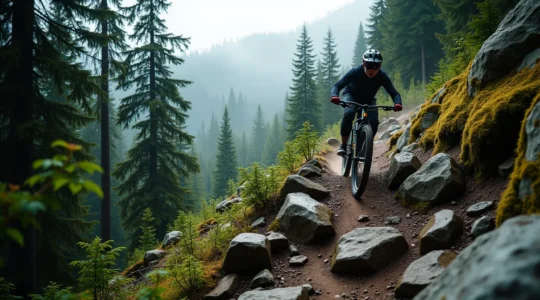
How to Handle Steep Rock Gardens on BC Mountain Bike Trails?
In summary: Success in BC rock gardens is less about the bike and more about mastering dynamic weight management to “float” over obstacles. Understanding local trail ratings, especially “tech” and “Expert” markers, is critical for progressive and safe skill development….
Read more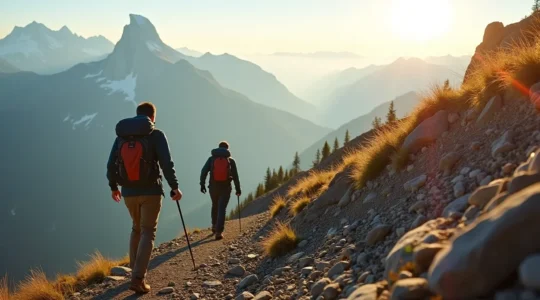
A Physiological Guide to Preventing Altitude Sickness in the Canadian Rockies
For fit hikers from sea level, preventing altitude sickness in the Rockies isn’t about general endurance; it’s about mastering the specific physiological stresses of moderate altitude. Your body’s primary challenges are hypoxic stress (less oxygen), accelerated respiratory water loss, and…
Read more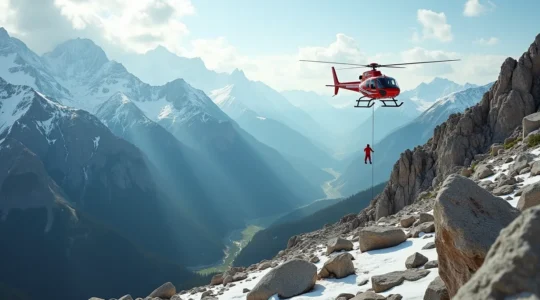
Helicopter Rescue in Canada: Is Your Travel Insurance a Financial Safety Net or a Time Bomb?
Your assumption that standard travel insurance protects you from financial ruin after a wilderness accident in Canada is a dangerous myth. Most policies contain “High-Risk Activity” exclusion clauses that void coverage for activities like backcountry skiing unless you purchase expensive…
Read more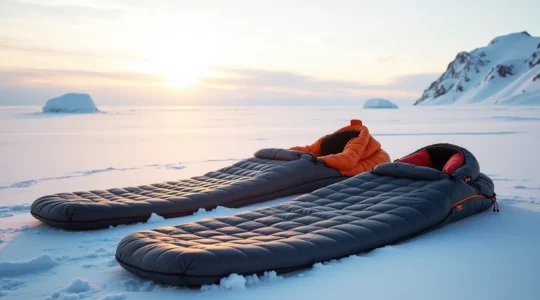
How to Pack for the Arctic Tundra: The Gear You Cannot Rent?
Success in the Arctic isn’t about the gear you can rent on-site; it’s about bringing the specific, non-negotiable systems that prevent catastrophic failure in an environment that punishes every mistake. Your standard hiking gear is a liability; sweat freezing in…
Read more