Culture and traditions
Canada’s cultural landscape extends far beyond the stereotypical images of hockey rinks and maple syrup. Across this vast country, living traditions pulse with vibrancy—from the intricate beadwork of Inuit artists in Nunavut to the fiddle tunes echoing through Cape Breton’s community halls. For travelers seeking meaningful connections beyond tourist attractions, understanding these cultural traditions opens doors to profound experiences that transform how you see this nation.
Engaging respectfully with Canada’s cultural heritage requires more than curiosity—it demands awareness of protocols, authenticity markers, and the ethical considerations that protect these traditions for future generations. Whether you’re considering acquiring Indigenous art, hoping to witness a powwow, or planning to experience Cape Breton’s Gaelic music scene, this foundation will help you navigate these experiences with confidence and cultural sensitivity.
Indigenous Art: Authentication, Ethics, and Acquisition
The Indigenous art market in Canada represents both a thriving cultural expression and a minefield of ethical considerations. For travelers and collectors alike, understanding how to identify authentic pieces while supporting Indigenous artists directly is paramount.
Recognizing Authentic Indigenous Art
The Igloo Tag, a distinctive certification mark featuring a stylized igloo design, serves as Canada’s official authentication for Inuit art. Managed by the Government of Canada, this hangtag indicates that a piece was genuinely created by an Inuit artist in Canada. Think of it as a cultural passport—verifying not just origin, but also ensuring that your purchase supports the artist and their community rather than mass-production facilities overseas.
However, the Igloo Tag applies specifically to Inuit art. For First Nations and Métis artwork, authentication becomes more nuanced, relying on gallery reputations, artist signatures, and provenance documentation. Reputable galleries can provide detailed information about an artist’s community, artistic lineage, and the cultural significance of techniques used.
Understanding Price Factors and Acquisition Channels
Indigenous art pricing reflects multiple factors beyond aesthetic appeal. An artist’s reputation and experience, the complexity of traditional techniques employed, the cultural significance of depicted stories, and the time investment all contribute to value. A caribou-antler carving that required months of detailed work naturally commands higher prices than quickly produced items.
The acquisition decision—gallery versus direct purchase—carries its own considerations:
- Gallery purchases offer authentication guarantees, proper documentation for insurance, and often include educational context about the artwork’s cultural meaning
- Direct artist purchases ensure maximum financial benefit reaches the creator, provide opportunities for personal connection and learning, but require more due diligence regarding authenticity
- Community cooperatives balance both approaches, offering artist support while providing some authentication infrastructure
Avoiding Cultural Appropriation in Your Collection
Not all Indigenous-themed items are appropriate for non-Indigenous collectors. Sacred objects, ceremonial items, and designs with specific spiritual significance should remain within their communities. Before purchasing, ask yourself: Is this piece created for sharing, or does it represent elements meant to remain private? Reputable sellers will guide you away from culturally sensitive items, viewing education as part of their responsibility.
Respectful Engagement with Indigenous Ceremonies
Witnessing Indigenous ceremonies offers profound cultural insight, but participation requires understanding nuanced protocols that protect the sacred nature of these gatherings.
Public Versus Private Ceremonies
This distinction forms the foundation of respectful attendance. Public ceremonies—such as many powwows, National Indigenous Peoples Day celebrations, and certain feast days—welcome non-Indigenous visitors as part of cultural sharing and education. These events often include explicit invitations to observers and may feature explanations of protocols.
Conversely, private ceremonies—including many sweat lodges, naming ceremonies, and specific spiritual rituals—are reserved for community members or invited guests only. Attending uninvited represents a serious breach of protocol. The analogy is simple: you wouldn’t crash a stranger’s family wedding, regardless of how beautiful the ceremony might be.
Navigating Ceremony Protocols
At public powwows, the Grand Entry marks a sacred moment when dancers enter the arena carrying flags and leading the community. During this time, all attendees should stand and remain silent, removing hats as a sign of respect. Photography during Grand Entry is typically prohibited unless explicitly permitted by event organizers.
Photography restrictions extend beyond this moment. Many ceremonies prohibit cameras entirely, protecting spiritual elements from commodification. Always look for posted signage and, when in doubt, ask event staff before raising your camera. The general rule: if you haven’t seen explicit permission, assume photography is inappropriate.
Sacred Spaces and Behavioral Expectations
Certain areas within ceremony grounds carry special significance. The central dance arena, medicine wheels, and designated elder seating areas require particular respect. Avoid crossing through these spaces unless directed, maintain appropriate noise levels, and observe how community members navigate the space to guide your own movements.
Listening to oral histories during ceremonies or cultural events represents a privileged form of learning. Unlike reading about traditions in books, oral transmission carries nuances of tone, emphasis, and relational context. When elders share stories, active listening without interruption, recording, or note-taking (unless explicitly permitted) honors this traditional knowledge-sharing method.
Cape Breton’s Living Gaelic Heritage
On Canada’s eastern edge, Cape Breton Island preserves North America’s most vibrant Gaelic culture, where Scottish traditions brought by 18th-century immigrants continue to evolve and thrive.
Understanding Cape Breton’s Musical Traditions
Cape Breton fiddle music represents more than entertainment—it’s a living cultural archive. The distinctive bowing techniques, rhythmic drive, and tune repertoire connect directly to Scottish Highlands traditions while incorporating generations of local innovation. This music traditionally accompanied square dances and step-dancing, creating a deeply participatory cultural experience rather than passive performance.
The Gaelic language itself, though spoken by fewer people today, remains integral to cultural programming. Song lyrics, place names, and social greetings preserve linguistic connections to Scotland, and recent revitalization efforts have expanded Gaelic education in local schools.
Finding Authentic Musical Experiences
Distinguishing authentic community music from tourist-oriented performances requires insider knowledge. Amateur sessions—informal gatherings where local musicians play together—offer the most genuine experiences. These might happen in community halls, private homes, or certain pubs known to locals rather than tourist directories.
Timing matters significantly. Musical evenings follow natural rhythms, with the peak energy and best performances often occurring late in the evening after musicians have warmed up and the community has gathered. Arriving early offers context and conversation; staying late rewards you with the most spirited playing.
For structured events, booking tickets for small venues requires advance planning. Community halls and intimate performance spaces seat limited numbers, and popular events during festival seasons sell out quickly. Local cultural centers and tourism offices can guide you toward authentic programming rather than manufactured tourist experiences.
Authentic Cultural Learning and Knowledge Transmission
Meaningful cultural understanding develops through engagement methods that respect traditional knowledge systems while acknowledging contemporary contexts.
Books and academic resources provide valuable background, but they cannot replace experiential learning and direct transmission from knowledge holders. Think of written resources as maps—helpful for navigation but fundamentally different from the journey itself. Attending cultural programming, participating in permitted activities, and listening to community members share their perspectives creates embodied understanding that reading alone cannot achieve.
When seeking cultural programming across Canada, prioritize events and institutions operated by the communities themselves. Indigenous cultural centers, friendship centers, and community-led tours ensure that knowledge transmission happens on the community’s terms, with appropriate context and compensation flowing to the right people.
This approach to cultural tourism recognizes that traditions aren’t museum pieces but living, evolving practices belonging to specific communities. Your role as a visitor involves humility, active listening, and recognition that some knowledge may not be accessible to you—and that boundary itself deserves respect.
Canada’s cultural traditions offer travelers profound opportunities for connection and understanding, provided you approach them with appropriate preparation and respect. Whether you’re drawn to the artistic expressions of Indigenous creators, the spiritual dimensions of ceremony, or the musical vitality of Gaelic Cape Breton, these experiences become richer when grounded in cultural awareness and ethical engagement.
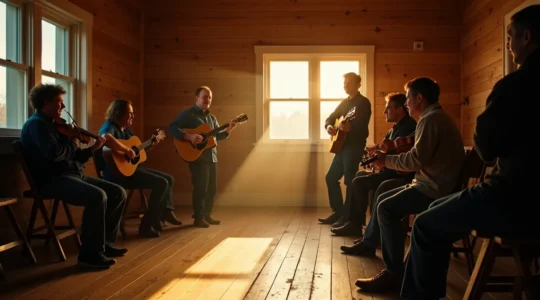
How to Find a “Kitchen Party” Vibe in a Formal Celtic Venue?
In summary: Finding an authentic Cape Breton kitchen party is less about specific venues and more about understanding cultural timing and social cues. Look for the “second set” after 10:30 PM, when the formal performance ends and local musicians begin…
Read more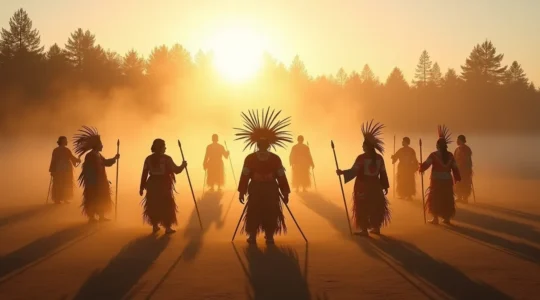
How to Attend a Powwow as a Non-Indigenous Guest Without Breaking Etiquette?
Attending a powwow is not about memorizing a list of rules to avoid causing offence. It’s about shifting your mindset from a passive tourist to a respectful witness. This guide moves beyond simple do’s and don’ts to explain the deep…
Read more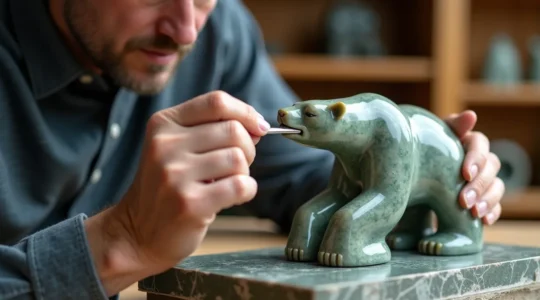
How to Verify the Authenticity of Inuit Carvings Before Investing $500?
To truly invest in Inuit art is to invest in its story and its creator, but the market is rife with imitations that exploit the culture. Authenticity is confirmed by the government-registered Igloo Tag, which guarantees the piece is handmade…
Read more