In summary:
- Avoid the Halifax rental car trap in August by booking off-airport or using Turo.
- Buy lobster directly from fishermen at the wharf for half the price using cash.
- Strategically fill your gas tank in New Brunswick and Gander to take advantage of lower prices.
- For a 5-day cycling trip, choose PEI for gentle paths and Nova Scotia for a coastal challenge.
- Drive the Cabot Trail in one perfectly paced day by starting early and driving counter-clockwise.
The dream of an Atlantic Canada road trip is a powerful one: dramatic coastlines, charming fishing villages, and the promise of fresh lobster. But for many travelers, that dream quickly collides with the reality of high season prices, expensive gas, and tourist traps that can blow a budget in days. Many guides will tell you the obvious: travel in the shoulder season, pack a cooler, and stick to free activities. But what if you want to experience the best of the Maritimes without simply skipping the good stuff?
As a Haligonian who has explored every corner of this region, I can tell you the secret isn’t about sacrifice. It’s about being smarter than the average tourist. It’s about understanding the region’s unique economic quirks—what I call “travel arbitrage”—and using them to your advantage. This means knowing precisely where to buy your gas, how to talk to a lobster fisherman, and why taking that ferry might not be the money-saver you think it is. Forget the generic advice; this guide is about navigating the specific logistical traps that catch visitors off guard.
We’re going to deconstruct the biggest expenses of an East Coast trip and give you actionable, local strategies to master them. From the real cost of getting to Newfoundland to the single day you need for the Cabot Trail, you’ll learn how to unlock a richer trip for far less than most people pay. This isn’t just budget travel; it’s savvy travel.
This article will provide you with a complete roadmap to navigate the financial landscape of the East Coast. You’ll find detailed comparisons, step-by-step plans, and insider tips to make your budget work harder for you.
Summary: The Savvy Traveler’s Guide to an Affordable Atlantic Canada Trip
- Why Taking the Ferry to Newfoundland Might Cost You More Than Flying?
- How to Buy Lobster Directly at the Wharf for Half the Restaurant Price?
- Nova Scotia or PEI: Which Province is Better for a 5-Day Cycling Trip?
- The Rental Car Trap That Strands Tourists in Halifax Every August
- When to Drive the Cabot Trail to Catch the Best Sunset Light?
- Why You Must Fill Your Tank in Gander Before Heading to Fogo Island?
- How to Calculate Your Fuel Budget for a 5,000 km Trip Across 5 Provinces?
- How to Drive the Entire Cabot Trail in One Day Without Rushing the Views?
Why Taking the Ferry to Newfoundland Might Cost You More Than Flying?
The classic image of an Atlantic road trip often includes driving your own car onto the Marine Atlantic ferry bound for Newfoundland. It feels like the most authentic and economical way to get to “The Rock.” However, this common assumption can be a significant budget miscalculation. While bringing your own vehicle saves on a Newfoundland car rental, the total cost of the ferry—especially when factoring in time—doesn’t always add up. The journey from North Sydney, NS, to Argentia, NL, is a 16-hour crossing, and that doesn’t include loading and unloading time. This is a full day of your vacation spent in transit.
Recently, the cost calculation has changed slightly. Thanks to a government initiative, there’s a significant 50% reduction in passenger and vehicle fares on Marine Atlantic, which can lead to substantial savings. However, you must also account for the hidden costs. A private cabin for the overnight journey is an extra expense, as is the 13% fuel surcharge that gets tacked onto your fare. When you compare this to budget airline seat sales into St. John’s, which can be surprisingly competitive, flying often becomes a faster and sometimes cheaper option, even after factoring in a rental car on the other side.
To make the right choice, you need to look beyond the ticket price. The table below breaks down the key variables to consider, weighing the direct costs against the value of your time.
| Travel Option | Cost (Family of 4) | Travel Time | Additional Costs |
|---|---|---|---|
| Marine Atlantic Ferry (Argentia) | $300-400 savings after 50% reduction | 16 hours | Cabin accommodation extra |
| Budget Airlines (to St. John’s) | Variable with seat sales | 2-3 hours flight | Car rental required |
| Ferry + Own Vehicle | Vehicle transport included | 16 hours + loading | Fuel surcharge 13% |
How to Buy Lobster Directly at the Wharf for Half the Restaurant Price?
No trip to the Maritimes is complete without indulging in fresh Atlantic lobster. But indulging at a restaurant can easily consume half of your daily $150 budget. The local secret isn’t finding the cheapest lobster roll; it’s bypassing the restaurant and retail markup entirely and participating in the “wharf-side economy.” In almost every fishing village, from Fisherman’s Cove in Nova Scotia to North Rustico in PEI, you have the opportunity to buy lobster directly from the fishers as they unload their catch. This isn’t just a meal; it’s an unforgettable cultural experience.
The price difference is staggering. You can often get lobster for half the price you’d pay in a store or restaurant. A prime example is Shediac, New Brunswick, famously known as the “Lobster Capital of the World.” Here, buying direct from the boat is a way of life. However, there’s an etiquette to it. This isn’t a supermarket; it’s a place of work. Approaching with respect is key. The universal currency at the wharf is cash, so come prepared as digital payments are rarely an option.

To make your experience smooth and successful, follow these simple steps. Timing is also crucial; lobster seasons vary by region, with PEI’s main season in May-June and Southwest Nova Scotia’s in the winter, so a quick search for the local season is a smart move. For an even easier meal, look for local co-ops selling pre-cooked “canners” (smaller lobsters), which are perfect for a picnic without the need for a full kitchen setup.
- Approach with Respect: Don’t interrupt a busy crew. A simple, friendly “Are you selling any direct today?” is the perfect opening.
- Bring Cash: Small bills are appreciated. This is often an informal transaction, and no one wants to break a $100 bill for a $20 sale.
- Know the Hotspots: Target well-known wharfs like those in the Shediac area (NB), Fisherman’s Cove (NS), and North Rustico (PEI) where direct sales are common.
- Be Flexible: What’s available depends on the day’s catch. Be open to what’s offered.
Nova Scotia or PEI: Which Province is Better for a 5-Day Cycling Trip?
Beyond the coastal drives, Atlantic Canada offers world-class cycling, providing a slower, more intimate way to experience the landscape. For a 5-day trip, two trails stand out: Prince Edward Island’s Confederation Trail and Nova Scotia’s Celtic Shores Coastal Trail. Choosing between them depends entirely on the type of experience you’re looking for. Neither is objectively “better,” but they offer distinctly different adventures for the budget-conscious cyclist.
PEI’s Confederation Trail is the definition of pastoral bliss. This tip-to-tip trail system is built on a former railway line, meaning the grades are incredibly gentle and the surface is a well-maintained, fine crushed gravel. It’s perfect for families, novice cyclists, or anyone looking for a relaxed journey through rolling farmland, quaint villages, and scenic harbours. The trail is punctuated by frequent towns with inns, bakeries, and restaurants, making logistics easy. An experience on PEI is about the journey, with wooden buildings painted in vibrant greens and blues overlooking harbours, and a culinary scene focused on seafood chowder and local specialties.
In contrast, Nova Scotia’s Celtic Shores Coastal Trail on the west coast of Cape Breton is more rugged and dramatic. While it also follows a former rail line, the surface is more varied, and you’ll encounter more challenging hills. The reward is breathtaking coastal scenery, with the trail hugging the shoreline and offering spectacular ocean vistas. Amenities are more spread out, giving it a more remote and adventurous feel. This trail is better suited for cyclists who are comfortable with more varied terrain and want a ride defined by dramatic coastal views rather than pastoral landscapes.
| Feature | PEI Confederation Trail | NS Celtic Shores Trail |
|---|---|---|
| Surface | Fine crushed gravel | More varied surfaces |
| Elevation | Gentle grades | More challenging hills |
| On-trail amenities | Frequent stops | More remote sections |
| Experience Profile | Pastoral & Culinary | Coastal & Dramatic |
| Bike Rental | MacQueen’s Bike Shop | Cyclesmith Halifax |
The Rental Car Trap That Strands Tourists in Halifax Every August
This is perhaps the most critical piece of advice for anyone planning a summer road trip: Halifax runs out of rental cars in August. It’s a logistical trap that catches hundreds of tourists by surprise every single year. Travelers arrive at Halifax Stanfield International Airport with a reservation—or worse, without one—only to find that every single vehicle is booked. This isn’t an exaggeration; it’s a predictable annual shortage driven by the massive peak in summer tourism.
The problem is compounded by a huge influx of visitors for cruises, conferences, and tours. For instance, recent data shows that summer travel is surging, with some operators like Marine Atlantic reporting an increase of 9,000 summer bookings compared to the previous year, putting immense pressure on all regional infrastructure, especially vehicle rentals. Relying on major booking sites like Expedia or Kayak can be misleading, as they don’t always show the full picture of local availability.
So, how do you avoid being stranded or paying exorbitant last-minute prices? The key is a multi-pronged strategy that involves looking beyond the airport.
Your Checklist: Escaping the Halifax Rental Car Shortage
- Book Months in Advance: If you need a car in July or August, book it in April or May at the latest. Prices will only go up, and availability will vanish.
- Expand Your Search: Use aggregators like Rentalcars.com, which often show smaller, local companies that major sites miss. Also, check the car-sharing platform Turo, which can be a lifesaver during peak season.
- Get Out of the Airport: Airport rental locations have the highest demand and prices. Look for rental offices in Downtown Halifax or Dartmouth. The price difference can be significant.
- Use Public Transit to Save: Take the MetroX #320 bus from the airport to downtown Halifax or Dartmouth for about $5. This saves you the airport premium on your rental and the expensive taxi fare.
- Confirm Your Reservation: A week before your trip, call the local rental office directly to confirm your booking. Don’t rely on the corporate 1-800 number.
When to Drive the Cabot Trail to Catch the Best Sunset Light?
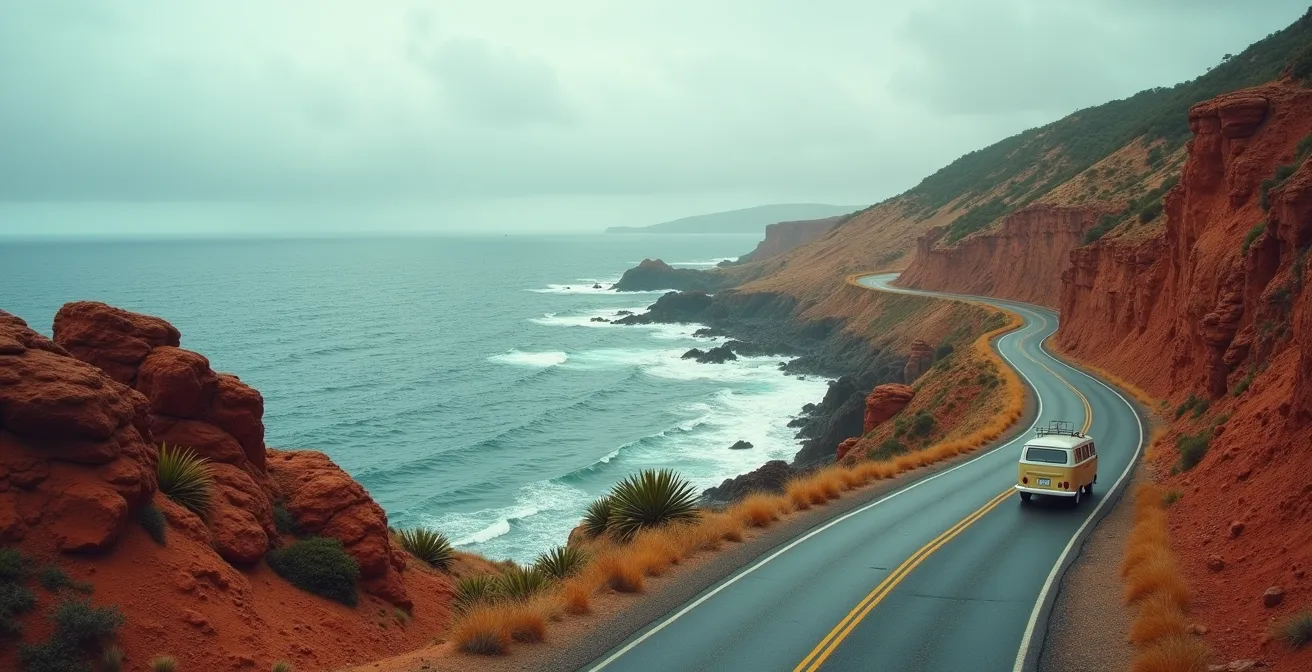
Driving the Cabot Trail in Cape Breton is a bucket-list experience, often called the Atlantic’s answer to the Pacific Coast Highway. To truly make the most of it, especially for photography, timing is everything. The goal is to align your drive with the “golden hour” for the most spectacular sunset views. Many tourists drive the trail clockwise, but the local pro-tip is to drive counter-clockwise. This strategic choice puts you in the outside, ocean-facing lane for the entire journey, offering unobstructed views and easier access to the scenic lookoffs on the west coast as the sun begins to set.
The prime location for sunset is the stretch between the village of Chéticamp and Margaree Harbour. This western-facing coastline is dotted with lookoffs that provide a front-row seat to the sun dipping below the Atlantic horizon. Specifically, target lookoffs like Cap-Rouge and La Bloc for postcard-perfect shots. However, a crucial warning for anyone planning a sunset hike on the famous Skyline Trail: the weather in the Cape Breton Highlands is notoriously fickle. As one traveler noted, you can go from clear 360-degree sunset views to zero visibility in minutes as the coastal fog rolls in unexpectedly. Always have a backup plan and check the forecast obsessively.

To perfectly time your drive, use a reliable weather app like The Weather Network to check the precise sunset time for Chéticamp on your chosen day. Then, work backward. Aim to be approaching the western-coast lookoffs about an hour before sunset to enjoy the changing light. This requires careful planning of your day’s start time and stops, but the reward is a truly magical and uncrowded experience of one of Canada’s most scenic drives.
Why You Must Fill Your Tank in Gander Before Heading to Fogo Island?
On a budget road trip, fuel is a major and unavoidable cost. The key to managing it is “fuel stop strategy”—a form of travel arbitrage where you consciously plan your fill-ups in areas with lower prices before entering “service station deserts” or high-cost zones. Nowhere is this more critical than on the journey to Fogo Island in Newfoundland. Gander is the last major hub on your route with multiple, competitive, 24/7 gas stations. Once you drive past Gander towards the ferry to Fogo, your options become scarce and significantly more expensive.
The price difference can be substantial. It’s not uncommon for gas to be 10-15 cents per litre more expensive in the smaller communities leading to the ferry and on Fogo Island itself. While that might not sound like much, it adds up. For a standard 50-litre tank, a 15-cent difference means saving $7.50 on a single fill-up. Do this consistently over a long trip, and you’re looking at real savings that can be put towards another lobster dinner or a boat tour.
This strategy isn’t just about the price per litre; it’s also about peace of mind. The drive from Gander to the Farewell ferry terminal is remote. Knowing you have a full tank eliminates the anxiety of potentially running low or being forced to pay a premium at the only gas station for miles. It’s a small, simple planning step that embodies the savvy traveler mindset. You’re not just buying gas; you’re making a calculated decision that protects your budget and reduces stress on your journey to one of Canada’s most unique destinations.
How to Calculate Your Fuel Budget for a 5,000 km Trip Across 5 Provinces?
Fuel is one of the biggest line items on any Atlantic Canada road trip budget. With a vast area to cover and fluctuating gas prices, estimating this cost can feel like guesswork. However, you can create a surprisingly accurate budget by understanding two key factors: your vehicle’s fuel efficiency and the variation in gas taxes from province to province. A real-world example shows an 11-day, 3,936 km road trip cost a total of $1,946.37 CAD, or about $177 per day, with transportation being a major component.
The first step is knowing your car. Before you leave, figure out its fuel consumption rate (litres per 100 km). Let’s say your car uses 8 L/100 km. For a 5,000 km trip, you’ll need approximately 400 litres of gas (5000 km / 100 km * 8 L). Next, estimate the average price per litre. A good baseline for recent prices in the Maritimes is around $1.70/L, but this can vary. So, your baseline fuel budget would be 400 L * $1.70/L = $680 CAD.
Now, for the “travel arbitrage” part. Gas prices are not uniform across the region due to different provincial taxes. As a general rule, New Brunswick often has slightly lower gas prices than Nova Scotia and PEI. Therefore, a savvy traveler will always plan to fill their tank completely in New Brunswick before crossing into a neighbouring province. Similarly, in Newfoundland, filling up in larger centers like Corner Brook or Gander before heading to remote areas like the Northern Peninsula or Fogo Island is a must. This simple strategy of timing your fill-ups can save you $5-$10 per tank, which easily adds up to over $50 on a long trip.
Key Takeaways
- Driving counter-clockwise on the Cabot Trail provides the best ocean views and sunset positioning.
- Always have cash on hand for direct-from-fishermen purchases at wharfs, which can cut your seafood costs in half.
- Book rental cars for Halifax in August months in advance and consider off-airport locations to avoid predictable shortages and high prices.
How to Drive the Entire Cabot Trail in One Day Without Rushing the Views?
The conventional wisdom for the Cabot Trail is that you need at least two or three days to do it justice. For the budget traveler on a tight schedule, this can seem daunting. But here’s the insider’s take: you absolutely can have an incredible, unhurried experience of the 186-mile (298 km) Cabot Trail in a single, well-paced day. The key isn’t to race, but to be highly strategic about your timing and stops. It’s about choosing quality over quantity.
The foundation of this strategy is an early start and a counter-clockwise route. By starting from a hub like Baddeck around 7 AM, you get ahead of the tour buses and crowds. Driving counter-clockwise ensures you are on the ocean side of the road for the most dramatic coastal sections. The next critical step is to pre-select your stops. Instead of trying to do every hike and see every lookoff, which leads to decision fatigue and a rushed feeling, pick just two key hikes and a handful of lookoffs. Excellent hiking options that offer a high reward for your time include the easy Freshwater Lake Look-Off, the rugged Coast Trail, or the iconic Skyline Trail (but be mindful of the time commitment and potential for fog).
Remember that you’ll need to pay for entry into the Cape Breton Highlands National Park. A daily pass is very reasonable, but be sure to factor it into your day’s budget. To execute this one-day plan flawlessly, you must embrace the “pacing over racing” mindset. Divide the trail into manageable segments and enjoy the drive itself as part of the experience, rather than just a means to get from one viewpoint to the next.
Your Action Plan: The 8-Hour Pacing Method for the Cabot Trail
- Commit to a 7 AM Start: Leave from Baddeck or another nearby base at sunrise to maximize daylight and stay ahead of the crowds. Drive counter-clockwise.
- Divide and Conquer: Mentally break the 298km loop into four 2-hour segments. This budget includes driving, photo stops, and short breaks.
- Pre-Select Two Hikes Only: Avoid decision fatigue on the trail. Choose two hikes from a curated list based on your fitness and available time. Top options include the Freshwater Lake Look-Off, Coast Trail, and Skyline Trail.
- Pack Your Lunch: Save time and money by packing a lunch and snacks. This avoids waiting for service at the few and often busy restaurants along the most scenic parts of the trail.
- Target Sunset on the West Coast: By pacing your day correctly, your counter-clockwise route will place you on the western coast (near Chéticamp) during the golden hour, the perfect finale to your drive.
Now that you’re armed with these insider strategies, from securing the best deals on lobster to mastering the Cabot Trail, you have the blueprint for an affordable and authentic Atlantic Canada adventure. The next logical step is to start mapping out your own personalized itinerary based on these principles.