Local flavors and crafts
Canada’s culinary landscape tells a story far richer than poutine and maple syrup. From the fog-swept fishing villages of the Maritimes to the cranberry bogs of British Columbia, each region offers distinctive flavors shaped by geography, climate, and cultural heritage. For travelers seeking authentic experiences, understanding these local traditions transforms a simple meal or craft purchase into a meaningful connection with the people who shape Canada’s diverse communities.
Navigating this landscape requires more than showing up hungry or wallet-ready. The difference between eating at a tourist-trap seafood restaurant and sharing fish chowder with a third-generation fisher, or between buying mass-produced “souvenirs” and acquiring genuine handcrafted goods, lies in knowing when to visit, where to look, and how to engage respectfully. This comprehensive resource introduces you to Canada’s regional food systems, seasonal rhythms, and craft traditions, equipping you with the knowledge to discover the country’s authentic flavors and artisan heritage.
Coastal and Maritime Food Traditions
Canada’s extensive coastlines have nurtured food cultures centered on tidal rhythms and seasonal abundance. In communities across Atlantic Canada and British Columbia, the relationship between ocean and table remains immediate and profound, offering travelers unparalleled opportunities for culinary immersion.
Understanding Tidal Economies
Maritime communities operate on schedules dictated by the ocean. In places like Alma, New Brunswick, or Tofino, British Columbia, fishing boats depart based on tide tables rather than clock time. Travelers who understand this rhythm discover better experiences: fish markets receive the freshest catches during incoming tides, while low tide reveals opportunities for guided foraging walks where locals harvest mussels, clams, and edible seaweeds. Planning your visit around these natural cycles—information readily available from local visitor centers or fishing cooperatives—ensures you witness these communities at their most authentic rather than their most touristic.
Eating Authentically in Fishing Communities
The best seafood in coastal towns rarely appears on waterfront restaurant menus with laminated photos. Instead, look for establishments frequented by fishers themselves, typically located away from the harbor’s tourist zone. In Lunenburg, Nova Scotia, or Prince Rupert, British Columbia, genuine fish shacks often operate seasonally, posting daily catches on chalkboards with prices that fluctuate with supply. These venues prepare local species—not imported salmon or shrimp—using traditional methods passed through generations. Striking up respectful conversations with locals about their recommendations, rather than relying solely on online reviews written by fellow tourists, opens doors to authentic dining experiences that guidebooks never capture.
Respectful Cultural Engagement
Maritime communities welcome curious visitors but appreciate those who recognize fishing as livelihood, not performance. When engaging with locals, avoid treating working harbors as theme parks. Ask permission before photographing people or their vessels, purchase directly from fishers when farm-gate sales are offered, and understand that busy seasons leave little time for extended conversations. Many communities offer structured cultural experiences—like participatory fishing trips or kitchen parties where traditional music accompanies communal meals—that provide immersion without imposing on daily work rhythms.
Seasonal Agritourism and Harvest Experiences
Canada’s agricultural regions offer travelers seasonal windows into food production that connect farm to fork in tangible ways. These experiences require strategic timing and willingness to venture beyond urban centers into the rural landscapes where Canada’s culinary identity takes root.
Timing Regional Harvests
Agricultural tourism operates on nature’s schedule. Ontario’s tender fruit region around Niagara peaks in late summer, while British Columbia’s Okanagan Valley offers different fruits throughout warmer months. Quebec’s apple harvest traditions unfold through autumn, and Prairie grain harvests transform landscapes in late summer. Planning visits around these specific harvest windows—information available through provincial agricultural tourism associations—allows participation in activities like u-pick operations, harvest festivals, and farm dinners featuring just-gathered produce. Off-season visits, while quieter, offer different insights into preservation techniques, winter farming operations, and the preparation work that precedes planting.
Buying Directly From Producers
Farm-gate purchases benefit both travelers and producers. Roadside stands, on-farm markets, and agricultural cooperatives across rural Canada offer products at fresher states and fairer prices than urban retail channels. In regions like Prince Edward Island or the Fraser Valley, many farms welcome visitors to purchase directly—potatoes still dusted with red soil, eggs collected that morning, raw honey with comb intact. These transactions often include conversations about cultivation methods, recipe suggestions, and insights into agricultural challenges that deepen understanding of Canada’s food systems. Organizations like the Canadian Organic Growers maintain directories of farms offering direct sales, sorted by region and product type.
Participating in Agricultural Tourism
Structured agritourism experiences range from afternoon farm tours to multi-day working stays. Many operations across agricultural regions offer harvest participation, where travelers can try their hand at apple picking, potato digging, or berry gathering while learning about crop management. Wine and cider regions provide tasting experiences that educate about terroir and production methods. The most valuable experiences balance education with authenticity, avoiding overly curated presentations while providing context that helps visitors appreciate the skill, labor, and environmental knowledge behind food production.
Quebec’s Distinctive Culinary Heritage
Quebec’s food culture represents a unique fusion of French technique, British influence, and North American ingredients, creating traditions found nowhere else. For travelers, accessing authentic versions of these specialties requires knowledge that distinguishes tradition from commercialization.
The Quest for Authentic Cheese Curds
Real Quebec cheese curds—the essential poutine ingredient—are freshly made and squeaky. Authentic curds maintain their characteristic squeak for only a few days after production, making them highly perishable and regionally specific. Fromageries across Quebec, particularly in regions like Centre-du-Québec and Chaudière-Appalaches, produce traditional curds using local milk. The Économusée network identifies artisan cheese makers who welcome visitors and explain traditional production methods. Curds purchased directly from these producers, consumed within their brief window of optimal freshness, bear little resemblance to the rubbery versions sold in tourist-district restaurants.
Traditional Tourtière Techniques
This iconic meat pie varies dramatically across Quebec regions. Lac-Saint-Jean tourtière contains cubed game meats in a deep dish, while Montreal-style versions feature ground pork in shallow tarts, and Gaspésie traditions incorporate fish. Learning these regional variations—through cooking classes offered by culinary schools, heritage organizations, or even some bed-and-breakfast operations—reveals how geography and available ingredients shaped distinct traditions within a single province. The best tourtières balance spicing (cinnamon, cloves, and savory notes) with meat quality, using pastry techniques that create flaky, butter-rich crusts supporting substantial fillings.
Finding Superior Maple Syrup Producers
Quebec produces the majority of the world’s maple syrup, yet quality varies significantly. The provincial grading system—Golden, Amber, Dark, and Very Dark—indicates flavor intensity rather than quality. Artisan producers, particularly those operating smaller sugar bushes using traditional methods, often create more complex flavor profiles than industrial operations. Visiting cabanes à sucre (sugar shacks) during sugaring season provides insight into production methods, from tapping to boiling. Look for producers who explain their evaporation techniques, forest management practices, and offer comparative tastings across grades. The Producteurs et productrices acéricoles du Québec maintains standards while local agricultural tourism associations identify exceptional small-scale producers.
Evaluating Regional Charcuterie
Quebec’s charcuterie tradition, less known than its French inspiration, produces distinctive products like cretons (pork pâté), oreilles de crisse (fried pork rinds), and various terrines. Quality charcuterie relies on heritage pork breeds, traditional preparation methods, and proper aging. Artisan charcutiers increasingly appear at public markets across Quebec, offering products that showcase particular terroirs through locally raised meats and regional seasonings. Tasting events and market visits allow comparison between industrial and artisan products, developing palates that recognize the depth of properly crafted charcuterie.
Cranberry and Berry Traditions
Canada’s cranberry bogs and wild berry patches represent both commercial agriculture and foraging heritage. These tart fruits have shaped regional cuisines and continue offering travelers distinctive seasonal experiences.
Understanding Bog Agriculture
Commercial cranberry production concentrates in regions like British Columbia’s Fraser Valley, Quebec’s Centre-du-Québec, and parts of the Maritimes. The dramatic difference between wet and dry harvesting methods determines both tourism opportunities and berry characteristics. Wet harvesting, typically occurring in autumn, floods bogs to float berries for easier collection, creating the iconic image of crimson berries blanketing water surfaces. Dry harvesting uses mechanical pickers, producing firmer berries for fresh consumption. Many operations offer tours during harvest season, explaining the unique ecology of bog environments, water management systems, and the specialized equipment required for cultivation.
Participating in Bog Tours
Organized bog tours, available in major cranberry-producing regions, provide access to working agricultural operations during their most visually striking season. These experiences typically explain the three-year cultivation cycle, environmental considerations of wetland agriculture, and cranberry’s nutritional properties. Some operations allow limited participation in harvest activities, while others focus on education and tasting. The most informative tours address both historical cultivation methods—including Indigenous harvesting traditions that predate European agriculture—and contemporary sustainable farming practices that balance production with ecosystem preservation.
Cooking With Fresh Tart Berries
Fresh cranberries, available primarily during autumn harvest months, possess entirely different culinary properties than dried or processed versions. Their high pectin content makes them ideal for preserves, while their tartness balances rich meats and sweet preparations. Cooking classes and farm experiences increasingly teach traditional preservation techniques—cranberry sauce, chutney, and relish recipes that utilize seasonal abundance for year-round enjoyment. Wild blueberries, Saskatoon berries, and other regional varieties offer similar opportunities for culinary exploration, with harvest timing varying by region and elevation. Indigenous communities in various regions sometimes offer cultural experiences explaining traditional berry gathering and preservation methods that sustained peoples long before European contact.
Distinguishing Authentic Crafts From Commercial Imports
Canada’s craft traditions—from Indigenous art to settler heritage crafts—face constant pressure from mass-produced imitations. Travelers seeking authentic pieces need knowledge to identify genuine artisan work and understand the economic and cultural implications of their purchases.
Recognizing Genuine Indigenous Art
Authentic Indigenous art carries both cultural and economic significance. The Indian Art and Craftwork Act prohibits misrepresentation, yet enforcement challenges allow imitations to persist in tourist markets. Genuine pieces typically include artist identification, community affiliation, and often documentation of authenticity. Organizations like the Indigenous Art Collective and regional Indigenous tourism associations provide education about traditional techniques, symbolic meanings, and appropriate purchasing venues. Buying directly from artists, through Indigenous-owned galleries, or at juried craft fairs ensures authenticity while directing economic benefits to artists and communities. Understanding that traditional practices like Inuit carving, Haida weaving, or Mi’kmaq quillwork require years to master helps travelers appreciate appropriate pricing for genuine artisan work.
Understanding Regional Craft Heritage
Settler craft traditions—Maritime hooked rugs, Quebec wood carving, Prairie quilting, West Coast woodworking—reflect regional histories and material cultures. Authentic examples demonstrate technical mastery and material quality absent from imported imitations. Heritage craft organizations across provinces maintain directories of certified artisans working in traditional methods. Asking about material sources, construction techniques, and the artisan’s training history helps distinguish genuine craft from mass production. Many communities host craft fairs or maintain cooperative galleries where multiple artisans sell authenticated work, providing opportunities to compare quality and techniques while supporting local economies.
Supporting Local Economies Through Informed Purchasing
Craft purchases represent economic choices with community impacts. Money spent on imported souvenirs leaves communities immediately, while purchases from local artisans circulate through regional economies. Beyond economic considerations, authentic craft purchases preserve traditional knowledge by making heritage skills economically viable for new generations. Travelers who invest time learning about regional craft traditions, visit artisan studios when possible, and purchase fewer but higher-quality pieces contribute more meaningfully to cultural preservation than those buying numerous cheap imitations. Understanding seasonal patterns—many artisans produce work during off-tourism seasons and sell during peak visitor months—helps explain pricing and availability while revealing the economic realities of craft-based livelihoods.
Accessing Canada’s authentic local flavors and crafts requires curiosity, respect, and willingness to look beyond convenient tourist infrastructure. The seasonal berry harvest that requires muddy boots, the fishing community meal that starts with a tide table, the artisan workshop reached by rural roads—these experiences demand more effort than all-inclusive packages but reward travelers with genuine connections to the people, places, and traditions that define Canadian regions. By understanding natural rhythms, engaging respectfully with local communities, and supporting authentic producers and artisans, travelers become participants in preserving and celebrating the diverse heritage that makes each Canadian region distinctive.
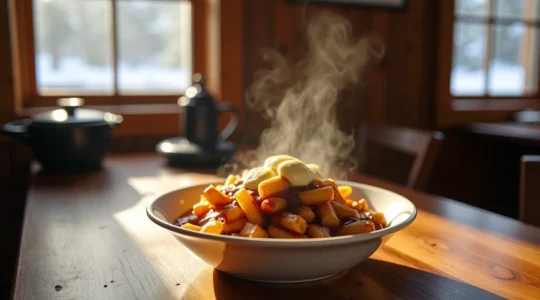
The Secret of Quebec’s Poutine Sauce: What Makes It Truly Unique?
The real secret to authentic Quebec poutine sauce is not the type of broth, but a forgotten culinary principle of balancing flavours. It’s about achieving a specific sweet-acidic balance (l’équilibre aigre-doux), often using heritage pantry staples like pickled beet juice…
Read more
How to Visit a Cranberry Bog During Harvest Without Disrupting the Farm?
The secret to a memorable cranberry bog visit isn’t just finding the right farm; it’s understanding you’re a guest in a working food production facility. The iconic “floating berry” photo is only possible during the wet harvest, which is a…
Read more
How to Find an Authentic Canadian Fishing Village: A Guide to Avoiding the Crowds
In summary: To find authenticity, shift your focus from seeking picturesque spots to understanding the rhythms of a working waterfront. Respectful engagement is key; learn to read social cues and understand the local work schedule before approaching anyone. Authenticity lies…
Read more